Source Truck Grille Guard for Pickup, Big Truck, and Cascadia
Find 30 truck grille guard options for pickup trucks, big trucks, and Cascadia models. Buyers can compare specifications, materials, and prices from verified suppliers in China.
Key considerations
Products List



Comprehensive Sourcing Guide
Strategic Sourcing Guide for Truck Grille Guards
Understanding Product Variants and Technical Specifications
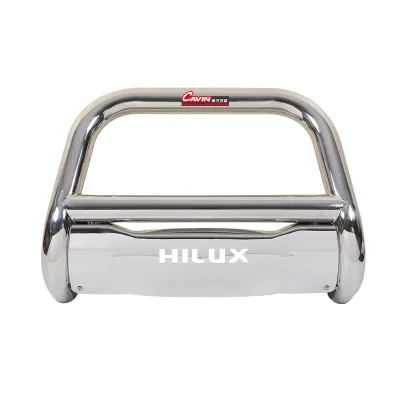
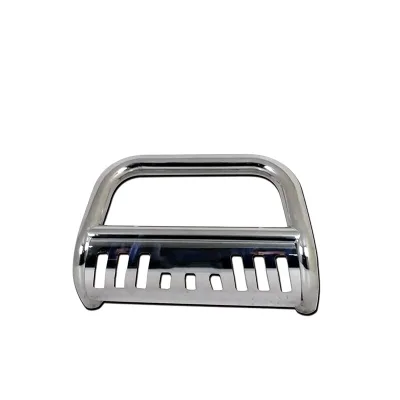
The truck grille guard market presents a diverse array of products designed to protect the front end of heavy-duty vehicles from debris, animals, and minor collisions. When sourcing these components, buyers must first distinguish between the specific design architectures available. The observed product landscape includes "U Type Grille Guard With Skid Plate" configurations and "Big Truck Grille Guard" models, each serving distinct operational needs. The primary function of these units is protection, specifically targeting the front bumper and front grille areas of trucks.
Material composition is a critical technical differentiator. Suppliers typically offer constructions made from Iron Steel or Stainless Steel. The choice between these materials directly impacts the unit's weight, corrosion resistance, and structural integrity. For instance, specific listings indicate a weight of approximately 31 kilograms for certain models, while others reference a standard of 26.45 kilograms. Buyers should verify the exact material grade, as some products claim "304 S/S" (Stainless Steel) quality, which offers superior resistance to rust compared to standard iron steel options. The finish is another vital specification; observed color options include Black, Red, and Silver, with Silver being a common standard for visibility and aesthetic integration.
Physical dimensions and fitment are equally paramount. The product specifications reveal a range of sizes, with some units listed at 209060cm, while others are designed for specific vehicle models like the Cascadia or Universal Pickup Trucks. Fitment precision is often highlighted as a key selling point, with claims of "100% Fitment" for specific makes such as Mitsubishi. However, the "Universal Pickup Truck" designation suggests a broader, non-model-specific application that may require additional modification or adjustment during installation. Buyers must cross-reference the product model number, such as Q03 or 211393, against their specific fleet requirements to ensure compatibility.
Compliance, Certification, and Regulatory Standards
In the global automotive parts trade, compliance with international standards is non-negotiable. For truck grille guards, the presence of recognized certifications serves as a primary indicator of manufacturing quality and safety. The available product data explicitly mentions ISO and CE certifications. The ISO certification generally implies adherence to international management system standards for quality and consistency, while the CE mark indicates conformity with health, safety, and environmental protection standards for products sold within the European Economic Area.
When evaluating a potential supplier, buyers should request current, valid certificates rather than relying solely on marketing claims. The standard for these products is often listed as "Standard or Custom," suggesting that while some units may meet baseline industry norms, others are engineered to specific client requirements. It is essential to verify that the "Standard" referenced aligns with the regulatory environment of the destination market. For example, a grille guard intended for use in North America must meet different impact and visibility regulations compared to one destined for European or Asian markets.
Furthermore, the production origin plays a role in regulatory compliance. The majority of observed products originate from China, specifically the Guangdong region, which is a major hub for automotive manufacturing. While this location offers competitive pricing and extensive supply chains, it necessitates rigorous verification of the supplier's ability to meet the specific import regulations of the buyer's country. Buyers should ensure that the supplier can provide documentation proving that the materials used, particularly the steel grades, comply with the environmental and safety standards of the target market.
Cost Drivers and Pricing Dynamics
The pricing structure for truck grille guards is influenced by several interconnected factors, including material costs, manufacturing complexity, and order volume. The observed price range in the market spans from 1 USD to 547.39 USD, a wide variance that reflects differences in material quality, size, and customization levels. A unit priced at the lower end of this spectrum is likely a basic iron steel model with standard dimensions, whereas a unit at the higher end may feature 304 stainless steel, custom branding, or specialized skid plate integration.
Minimum Order Quantity (MOQ) is a significant driver of the effective unit cost. The data indicates an MOQ range from 1 to 1000 sets, with specific listings showing thresholds of 20 sets or 30 sets. Purchasing at the lower MOQ limit allows for smaller batch testing but often results in a higher per-unit price due to fixed setup costs. Conversely, ordering at the higher end of the MOQ range can leverage economies of scale, significantly reducing the cost per unit. Buyers must balance their inventory needs against their cash flow to determine the optimal order size.
Additional cost considerations include packaging and logistics. The observed packaging methods vary from simple "Carton+ Pallet" configurations to more protective "Foam&Carton" or "Bubble Bags and EPE" setups. The choice of packaging affects the shipping volume and weight, which directly impacts freight costs. For instance, a product with a standard of 0.21cbm (cubic meters) will incur different shipping charges compared to a bulkier unit. Furthermore, the payment terms, such as a 30% T/T (Telegraphic Transfer) deposit, influence the financial risk and cash flow management for the buyer. Understanding these variables is essential for accurate budgeting and total cost of ownership analysis.
Typical Applications and Vehicle Fitment
Truck grille guards are primarily designed for heavy-duty applications, serving as a critical safety component for commercial fleets. The core application is identified as "Truck," with specific fitment noted for "Mitsubishi" vehicles and "Big Truck" categories. The "Universal Pickup Truck" designation suggests versatility for a wide range of light and medium-duty trucks, though the fitment may not be as precise as model-specific units. The "Cascadia" model is explicitly mentioned, indicating that specialized guards are available for specific heavy-duty truck lines used in long-haul logistics.
The position of the grille guard is consistently listed as the "Front Bumper" or "Front Grille," confirming its role as a primary impact absorber. In off-road or construction environments, the integration of a skid plate, as seen in the "U Type Grille Guard With Skid Plate" variant, adds an extra layer of protection for the vehicle's undercarriage. This dual-function design is particularly valuable for fleets operating in rugged terrain where both frontal and underbody protection are required.
Buyers must carefully evaluate the "Car Fitment" claims. While some products advertise "100% Fitment," this claim should be validated against the specific year and model of the vehicle. For example, a guard designed for a 2018+ model year may not fit earlier versions of the same truck without modification. The availability of "Customized OEM" services allows suppliers to tailor the grille guard to specific vehicle dimensions, ensuring a perfect fit for unique fleet requirements. This customization capability is a key differentiator for buyers with specialized or aging fleets that may not be covered by standard off-the-shelf products.
Supplier Evaluation and Manufacturing Capabilities
Selecting the right supplier requires a thorough assessment of their manufacturing capabilities and service offerings. The observed product data highlights several key attributes that indicate a supplier's maturity. The availability of "Customized OEM" services suggests that the supplier has the engineering capacity to modify existing designs or create new ones based on client specifications. This is a crucial capability for buyers with unique branding or functional requirements.
The production location, specifically Guangdong, China, indicates access to a robust supply chain and established manufacturing infrastructure. However, buyers should verify the supplier's production capacity and quality control processes. The mention of "High Performance" as a quality attribute is a subjective claim that must be backed by objective evidence, such as test results or third-party inspections. Buyers should inquire about the supplier's experience with similar projects and their ability to handle large-scale orders, given the observed MOQs ranging up to 1000 sets.
Documentation is another critical aspect of supplier evaluation. The "Drawing Format" is listed as Pdf, STP, and Step, indicating that the supplier provides detailed technical drawings in standard formats. This transparency allows buyers to review the design before production begins and ensures that the final product matches the intended specifications. Buyers should also verify the supplier's ability to provide the necessary certifications, such as ISO and CE, and request copies of these documents for their records.
Quality Control and Long-Term Procurement Considerations
Quality control is paramount when sourcing automotive parts, especially those designed for safety-critical applications like grille guards. The observed material specifications, such as "Iron Steel/Stainless Steel" and "304 S/S," highlight the importance of material verification. Buyers should implement a rigorous quality control protocol that includes material testing to confirm the steel grade and thickness. Visual inspections for surface finish, weld quality, and paint adhesion are also essential to ensure the product meets the required aesthetic and functional standards.
Long-term procurement considerations extend beyond the initial purchase. The lead time for production is a critical factor in supply chain planning. The observed lead times range from 15-45 days to 35-40 days, depending on the order volume and customization level. Buyers must account for these timelines when managing inventory and ensuring fleet readiness. Delays in production can disrupt operations, so maintaining a buffer stock or establishing a reliable relationship with a supplier who can meet tight deadlines is advisable.
Packaging and logistics also play a significant role in long-term procurement success. The "Plywood Case" and "Carton+ Pallet" options suggest that suppliers are equipped to handle international shipping and protect the product during transit. Buyers should verify that the packaging is robust enough to prevent damage during shipping, especially for heavy items weighing up to 31 kilograms. Additionally, the "Payment Term" of a 30% T/T deposit is a standard practice, but buyers should negotiate terms that align with their financial policies and risk tolerance.
In conclusion, sourcing truck grille guards requires a strategic approach that balances technical specifications, compliance, cost, and supplier reliability. By carefully evaluating the product variants, verifying certifications, understanding cost drivers, and implementing robust quality control measures, buyers can secure high-quality grille guards that enhance fleet safety and performance. The diversity of options available, from universal models to custom OEM solutions, provides flexibility for buyers to meet their specific operational needs while maintaining compliance with international standards.
FAQs
What certifications do truck grille guards typically have?
Truck grille guards typically hold ISO and CE certifications to ensure quality and safety compliance. These marks indicate adherence to international management standards and European safety regulations. Buyers should verify current certificates from suppliers before purchasing.
Which materials are used for truck grille guards?
Manufacturers use Iron Steel or Stainless Steel, including 304 grade, for construction. The choice affects weight and corrosion resistance, with some units weighing around 31 kilograms. Stainless steel offers superior rust protection compared to standard iron options.
Can buyers request customization for truck grille guards?
Yes, customized OEM services are available to tailor designs to specific vehicle needs. Suppliers can modify dimensions and branding to match client requirements. This service ensures a precise fit for unique fleet specifications or aging vehicle models.
How long is the lead time for truck grille guards?
Production lead times generally range from 15 to 45 days depending on order volume. Some specific listings indicate a timeframe of 35 to 40 days for standard orders. Buyers must account for these durations when planning inventory and fleet readiness.
What is the minimum order quantity for truck grille guards?
Minimum order quantities vary, with some suppliers requiring 20 sets while others set the threshold at 30 sets. The overall market range spans from 1 to 1000 sets. Lower MOQs allow testing but may result in higher per-unit costs.
Where are truck grille guards manufactured?
Most products originate from China, specifically the Guangdong region. This location provides access to robust supply chains and established manufacturing infrastructure. Buyers should verify that local suppliers meet the specific import regulations of their destination market.
Which vehicle models fit truck grille guards?
Grille guards are designed for Mitsubishi vehicles, big trucks, and universal pickup trucks. Specific models like the Cascadia also have compatible options available. Buyers must cross-reference model numbers against their fleet requirements to ensure proper fitment.